





San Antonio roofs face punishment from multiple angles. Summer heat pushes temperatures above 100 degrees for weeks, causing asphalt shingles to crack and metal roofing to expand. Late spring brings severe thunderstorms with hail that punches holes through shingles and damages flashing. When cold fronts sweep through in winter, the rapid temperature swings stress roofing materials that were just baking in the heat.
The Hill Country limestone bedrock beneath San Antonio creates unique challenges. Foundation settlement from our expansive clay soils can shift roof structures, breaking seals and creating leak points. High winds funneling through the Balcones Escarpment regularly exceed 60 mph during storms, tearing off loose shingles and lifting entire sections of older roofs.
Local building codes require specific wind ratings and installation methods, but many older homes in Alamo Heights, Terrell Hills, and Monte Vista were built before current standards. These historic neighborhoods need specialized roof work that respects architectural integrity while meeting modern safety requirements. Homes near Loop 410 and I-10 face additional stress from vehicle emissions that accelerate shingle deterioration. Understanding these San Antonio-specific factors is critical for roof installation that lasts.
Summit Roofing San Antonio has protected homes across Bexar County for years because we treat your roof like it's our own. When you call about a leak or storm damage, you get a real person who can dispatch a crew the same day for emergencies. No automated systems, no waiting days for callbacks. We answer fast because we know roof damage spreads quickly in San Antonio's weather.
Our crews know San Antonio construction inside and out. We've worked on every roof type from the modern subdivisions in Stone Oak to the historic homes in King William. We understand which materials stand up to Texas heat and which installation techniques prevent wind uplift during storms. That local knowledge means your roof gets built right the first time.
We also handle insurance claims directly. When hail damages your roof, we document everything for your adjuster, meet them on site, and fight for full coverage. Most homeowners don't know what their policy covers or how to challenge a low settlement. We do this every week, and we make sure you get what you paid premiums for.
Every roof installation comes with a workmanship warranty that actually means something. If we installed it and something fails, we come back and fix it. No arguments, no excuses. We're still here next year and the year after that. Many roofing companies in San Antonio disappear after a big storm season. We stay because this is our community, and our reputation depends on every roof we touch.

When your roof fails at 2am during a storm, our emergency crews respond fast. We dispatch teams 24/7 across San Antonio to stop active leaks, tarp damaged sections, and prevent water from destroying your home. Speed matters when rain is pouring into your house. We know that, and we move.

We handle your insurance claim from start to finish. Our team documents all storm damage, meets with your adjuster, and fights for complete coverage. Most homeowners accept the first offer and leave thousands on the table. We know policy language and supplement negotiations, and we push until you get fair compensation for your roof work.
Our crews follow manufacturer specifications exactly on every roof installation. Proper nail patterns, correct shingle overlap, sealed valleys, and ice barriers where needed. We don't cut corners to save time. Sloppy roof construction fails in the first big storm. Our roofing systems are built to handle whatever San Antonio weather throws at them.
We've installed and repaired roofs in every San Antonio neighborhood from Boerne to Seguin. We understand local building codes, HOA requirements, and which materials perform best in our climate. That local expertise means your roof gets the right materials and installation methods for your specific location and home style.
Summit Roofing San Antonio handles every type of roof work your home needs. Emergency storm repairs when you're actively leaking. Complete roof replacement when your roofing system reaches end of life. Preventive maintenance that catches small problems before they become expensive disasters. Insurance claim assistance that gets you full coverage after hail or wind damage.
We work with all residential roofing materials common to San Antonio. Asphalt composition shingles on most suburban homes. Metal roofing systems popular in the Hill Country. Tile roofs on Mediterranean and Spanish Colonial homes. Flat membrane roofs on modern designs. Every material requires different installation techniques and maintenance approaches.
Our service categories cover the complete lifecycle of your roof. From emergency response to planned replacement to ongoing care, we're your single source for roof construction and repair. Here's how we break down our core services to match what San Antonio homeowners need most.
When storms rip through San Antonio and damage your roof, our emergency crews respond immediately. We stop active leaks, tarp exposed sections, and secure loose materials before water destroys your ceilings and walls. Our trucks carry emergency supplies and we dispatch across the metro area 24/7. Once the immediate threat is controlled, we assess full damage for permanent repairs or insurance claims. Fast response prevents minor storm damage from becoming total roof replacement.
When your roofing system reaches the end of its life, we handle complete replacement from tear off to final inspection. We remove old materials down to decking, replace damaged plywood, install proper underlayment and ice barriers, then install your new roof to manufacturer specifications. We work with all materials including architectural shingles, metal panels, and concrete tile. Every roof installation includes warranty coverage and passes city inspection. Most projects complete in two to three days depending on size and complexity.
Regular roof maintenance extends the life of your roofing system and prevents expensive emergency repairs. We inspect all vulnerable areas including valleys, flashing, penetrations, and shingle condition. We clean debris from gutters and valleys that trap water. We seal small cracks before they spread and replace damaged shingles before leaks start. Our maintenance programs include twice-yearly inspections timed around storm seasons, with detailed reports on roof condition and recommended repairs. Catching problems early saves thousands compared to replacing water-damaged decking and interior repairs.
San Antonio's extreme weather creates specific roof failures that homeowners need to watch for. Understanding these common problems helps you catch damage early before it spreads. Most roof leaks start small and invisible, then suddenly break through your ceiling during a heavy rain. By then, water has been rotting your decking and insulation for months.
Heat damage happens gradually but destroys roofing materials just as effectively as storm impact. Shingles bake in 100-degree temperatures all summer, losing granules and flexibility. Metal roofing expands and contracts daily, loosening fasteners and creating gaps. Flashing around chimneys and vents deteriorates from UV exposure, cracking and allowing water infiltration.
Storm damage is obvious when hail punches holes or wind tears off sections. But subtle damage is just as dangerous. Hail impacts that don't break through shingles still crack the underlying mat, and those cracks turn into leaks within months. Wind can lift shingle edges without tearing them off, breaking the seal and allowing water to wick underneath. Here are the most common roof problems we see across San Antonio neighborhoods.
Spring and summer hailstorms pummel San Antonio roofs with ice chunks that crack shingles and dent metal roofing. Even small hail creates bruising that breaks the shingle mat and shortens roof life. Large hail punches through to decking. Many homeowners don't realize they have hail damage until leaks appear months later when the cracks spread.
High winds during thunderstorms lift shingle edges and tear off entire sections when roofs aren't properly fastened. Older roofs with hand-nailed shingles are particularly vulnerable. Wind gets under lifted edges and peels back large areas. Once the underlayment is exposed, the next rain pours straight into your attic and ceilings.
Extreme San Antonio heat bakes roofing materials year after year. Asphalt shingles lose protective granules and become brittle. They crack and curl, exposing underlayment to UV damage. Metal roofing expands in the heat and contracts overnight, loosening fasteners and creating gaps. This thermal cycling destroys roofs faster than storm damage in many cases.
Flashing around chimneys, vents, and valleys takes the most abuse. Sealants crack from heat and UV exposure. Metal flashing corrodes or pulls away from surfaces. These small failures create leak points that send water into walls and ceilings. Most roof leaks start at flashing, not shingles. Proper flashing installation and maintenance prevents the majority of leak problems.
When you call Summit Roofing San Antonio about a leak or roof damage, you get a clear process from first contact to final inspection. No runaround, no disappearing after the deposit. We treat your home like it matters because we know it does.
You'll talk to someone who can actually help you, not a call center reading a script. We'll ask about your roof problem, schedule an inspection, and explain what happens next. If you're dealing with active leaks or storm damage, we move fast to prevent additional damage while we plan the permanent fix.
Our crews show up on time, work efficiently, and clean up completely. We protect your landscaping and property during tear off and installation. We handle permits and inspections. We communicate clearly about timeline and any issues we find. Here's what the experience looks like from your perspective as the homeowner.
You'll know what's happening at every stage. We explain what we found during inspection, what needs to be fixed, and what it costs before starting work. We answer your questions in plain language without industry jargon. If we find additional problems during tear off, we stop and discuss options before proceeding. You'll have direct phone numbers for your project manager, not a general office line. We return calls and texts quickly because we know you need answers.
Our installation teams treat your home carefully. We lay tarps and plywood to protect landscaping during material delivery. We use magnetic rollers to pick up nails and metal debris from your yard and driveway. We clean up completely at the end of each day, not just when the job finishes. Our crews arrive on time, work straight through, and finish according to schedule. They're experienced professionals who take pride in clean, quality roof work.
Every roof installation includes our workmanship warranty covering labor and installation quality. Material warranties come directly from manufacturers. If something fails because of how we installed it, we return and make it right at no charge. We also provide detailed documentation of all work completed, materials used, and warranty information. You'll receive care instructions and maintenance recommendations to maximize your roof's lifespan. We're available after project completion for any questions or concerns.
We've streamlined roof work into three clear phases. No complexity, no confusion. Just a logical process that moves from assessment to installation to completion. Here's exactly what happens.
We climb on your roof and inspect every section. We check shingle condition, flashing integrity, and decking for soft spots. We photograph damage for insurance claims if needed. We look in your attic for active leaks or water stains. After the inspection, we sit down and explain what we found, what needs immediate attention, and what can wait. You get a written estimate covering all work with material options and pricing.
Once you approve the work, we schedule installation around weather and material delivery. Our crews arrive early, protect your property, and start tear off. We remove old materials, inspect and repair decking, install underlayment and ice barriers, then install your new roofing system according to manufacturer specs. We handle all permits and required inspections. Most residential roofs complete in two to three days. We clean up thoroughly each evening and secure the work site.
After installation, we conduct a detailed final inspection with you. We walk through the completed work, explain care and maintenance, and answer questions. We verify the city inspector signed off and provide all warranty documentation. We do a final cleanup sweep with magnetic rollers and remove all debris. You receive written warranties, care instructions, and direct contact information for any future needs. The job isn't done until you're completely satisfied.
Roof construction in San Antonio must meet specific codes and standards that many homeowners and even some contractors don't fully understand. The City of San Antonio adopts the International Building Code with local amendments addressing our unique weather challenges. Wind load requirements account for our location relative to the Gulf Coast and exposure to severe thunderstorm winds.
All roof installations require permits and inspections. The permit process verifies that roof construction meets current code including proper fastening patterns, underlayment requirements, and flashing details. Inspectors check nailing patterns on shingles because improper fastening causes premature failure during windstorms. They verify ice and water shield installation in valleys and around penetrations even though San Antonio rarely sees ice. That protection matters for wind-driven rain that forces water uphill under shingles.
Material selection impacts roof performance significantly. Asphalt shingles must meet minimum wind ratings, typically 110 to 130 mph depending on roof slope and exposure. Impact-resistant shingles rated Class 4 provide the best hail protection and often qualify for insurance discounts. Metal roofing systems require specific fastener types and spacing to handle thermal expansion. Underlayment choice matters. Basic felt paper deteriorates quickly in Texas heat. Synthetic underlayment provides better protection and longer life.
Ventilation requirements are critical in San Antonio's climate. Inadequate attic ventilation traps heat that bakes roofing materials from underneath, dramatically shortening roof life. Proper intake and exhaust ventilation keeps attic temperatures manageable and prevents moisture buildup. Many older homes lack adequate ventilation and need upgrades during roof replacement.
Insurance companies now use aerial imagery and predictive modeling to assess roof condition and hail damage. They can see granule loss and impact patterns from satellite photos. Understanding how adjusters evaluate claims helps homeowners get fair settlements. Detailed documentation of pre-existing conditions and storm damage makes the difference between partial coverage and full replacement.
San Antonio building code requires roofing materials rated for high winds. Shingles must meet ASTM D3161 or D7158 standards for wind resistance. Proper installation with correct nail placement and sealing is just as important as material rating. Underlayment must be mechanically fastened, not just stapled. These requirements prevent roof failure during the severe thunderstorms that regularly hit the San Antonio area.
Roof replacement costs depend on size, pitch, material choice, and decking condition. Steep roofs require more safety equipment and take longer to install. Multiple stories and complex layouts increase labor. Decking replacement adds significant cost if water damage rotted the plywood. Material quality ranges from basic three-tab shingles to premium architectural styles to metal and tile. Insurance coverage reduces out-of-pocket costs when storm damage is involved.
Most residential roof replacements complete in two to four days depending on size and complexity. Tear off takes one day. Installation takes one to two days for typical homes. Final cleanup and inspection add another half day. Weather delays are common during summer storm season. Material delivery can extend timeline if you choose specialty products. Emergency repairs happen same day or next day. Full replacements require scheduling around permits, inspections, and crew availability.
The City of San Antonio requires permits for all roof replacement and most repairs. We handle permit applications and schedule required inspections. Inspectors verify proper installation methods, material ratings, and code compliance. They check nailing patterns, flashing details, and ventilation. Final inspection approval is required before the project is officially complete. Operating without permits risks fines and complicates insurance claims if future damage occurs.
This video explains common roof problems facing San Antonio homeowners including hail damage, wind uplift, heat deterioration, and flashing failures. Summit Roofing San Antonio demonstrates proper roof installation techniques, insurance claim processes, and how to identify storm damage. Viewers learn about wind rating requirements, material selection for Texas climate, and what separates quality roof construction from substandard work. The video covers roof replacement timelines, maintenance recommendations, and emergency repair procedures specific to San Antonio weather conditions.
Summit Roofing San Antonio serves the entire San Antonio metro area and surrounding Bexar County communities. We've installed and repaired roofs in every neighborhood from the historic districts near downtown to the expanding subdivisions in the far north. Each area presents unique challenges based on home age, architectural style, and local conditions.
The established neighborhoods of Alamo Heights, Terrell Hills, and Olmos Park feature homes built in the 1920s through 1960s with original roof structures that require careful evaluation. These areas often have steep-pitched roofs with multiple valleys and complex flashing details. Historic preservation guidelines in areas like Monte Vista and King William require specific materials and installation methods that respect the original architecture while meeting modern code.
Stone Oak and the far north side represent newer construction with modern roofing systems. These subdivisions built in the 1990s and 2000s are now reaching the 20 to 25 year mark where roofs need replacement. HOA requirements in these communities often specify shingle colors and styles. The slightly higher elevation and open terrain make these areas more vulnerable to hail and high winds during storms.
The west side near Leon Valley and Helotes sits in the Hill Country transition zone where limestone bedrock and dramatic elevation changes affect foundation settlement and roof structure. Homes in these areas often experience differential movement that can stress roofing systems. The heavy oak coverage provides some storm protection but increases debris accumulation in valleys and gutters.
South San Antonio and the areas near Brooks City Base contain a mix of older homes and new development. Many older roofs in these neighborhoods have received poor-quality repairs over the years and need complete replacement. We work extensively with homeowners navigating insurance claims for storm damage in these areas.
The east side along I-10 toward Seguin includes Converse, Universal City, and Schertz. These growing communities face similar weather challenges to San Antonio proper but often have different HOA requirements and insurance considerations. We maintain crews and material inventory to serve these expanding areas quickly during storm season when demand peaks.
Understanding the specific characteristics of your neighborhood helps us recommend the right roofing materials and installation approach. Whether you're in the established central areas or the growing suburbs, we know your community and what your roof needs to perform in San Antonio's demanding climate.
A new roof in San Antonio typically ranges from several thousand dollars to much higher, depending on size, materials, and complexity. Asphalt shingle roofs cost less than metal or tile. Factors include roof pitch, number of penetrations like chimneys and skylights, decking condition, and removal of existing layers. San Antonio's intense UV exposure and occasional hail storms mean investing in impact-resistant shingles often makes sense. Get multiple written estimates from local contractors familiar with our climate and building codes to compare material specs and labor costs accurately.
While I cannot name specific competitors, choosing the best roofing company in San Antonio means looking for local experience with our extreme heat and sudden weather shifts. Verify proper licensing, active insurance, and references from recent projects in your neighborhood. Check for familiarity with HOA requirements and local permitting processes. A quality contractor will inspect your attic ventilation, explain flashing details around roof penetrations, and offer material options suited to San Antonio's climate. Transparency in pricing, clear timelines, and strong communication separate professionals from fly-by-night operators.
Replacing a 2,000 square foot roof in San Antonio varies widely based on material choice and structural factors. Asphalt shingles generally cost less per square than metal or tile. Your final price depends on roof complexity, pitch steepness, number of valleys, and whether decking needs replacement. San Antonio's clay soil can shift foundations, sometimes requiring structural repairs before re-roofing. Removal and disposal of old materials add labor costs. Request itemized bids from local contractors to see where your money goes and compare apples to apples.
A new roof in San Antonio typically ranges from several thousand dollars to much higher, depending on size, materials, and complexity. Asphalt shingle roofs cost less than metal or tile. Factors include roof pitch, number of penetrations like chimneys and skylights, decking condition, and removal of existing layers. San Antonio's intense UV exposure and occasional hail storms mean investing in impact-resistant shingles often makes sense. Get multiple written estimates from local contractors familiar with our climate and building codes to compare material specs and labor costs accurately.
While I cannot name specific competitors, choosing the best roofing company in San Antonio means looking for local experience with our extreme heat and sudden weather shifts. Verify proper licensing, active insurance, and references from recent projects in your neighborhood. Check for familiarity with HOA requirements and local permitting processes. A quality contractor will inspect your attic ventilation, explain flashing details around roof penetrations, and offer material options suited to San Antonio's climate. Transparency in pricing, clear timelines, and strong communication separate professionals from fly-by-night operators.
Replacing a 2,000 square foot roof in San Antonio varies widely based on material choice and structural factors. Asphalt shingles generally cost less per square than metal or tile. Your final price depends on roof complexity, pitch steepness, number of valleys, and whether decking needs replacement. San Antonio's clay soil can shift foundations, sometimes requiring structural repairs before re-roofing. Removal and disposal of old materials add labor costs. Request itemized bids from local contractors to see where your money goes and compare apples to apples.
Installing asphalt shingles on a 2,000 square foot house in San Antonio depends on shingle grade, roof pitch, and existing decking condition. Basic three-tab shingles cost less than architectural or impact-resistant options, but San Antonio's hail risk makes upgraded shingles worth considering. Labor includes tear-off, disposal, underlayment installation, and proper flashing around vents and chimneys. Steeper pitches require more safety equipment and time. Get multiple local quotes that specify shingle brand, underlayment type, and warranty coverage to compare value, not just bottom-line numbers.
Texas insurers evaluate roof age and condition before approving claims. A well-maintained 20-year-old roof with recent storm damage may qualify for partial coverage, but depreciation reduces payout. Many policies in San Antonio shift to actual cash value instead of replacement cost after 10 to 15 years. Insurers inspect for pre-existing wear like granule loss, cracking, or curling shingles. Document regular maintenance and consider pre-storm inspections. If your roof shows significant aging, coverage may be limited or denied, leaving you responsible for replacement costs.
Labor typically represents the largest expense in roof replacement, especially in San Antonio where summer heat demands early morning work schedules. Skilled crews command fair wages for dangerous, physically demanding work. Material costs follow closely, with underlayment, flashing, and ventilation components adding up quickly. Decking replacement for rotted plywood or OSB can spike costs unexpectedly. Proper disposal of old shingles and debris also impacts pricing. Complex roof designs with multiple valleys, dormers, or steep pitches require more time and precision, driving labor expenses higher than simple gable roofs.
A good roofer in San Antonio shows proof of active general liability and workers' compensation insurance before starting work. They provide detailed written estimates breaking down materials, labor, and disposal costs. Look for contractors who inspect your attic for ventilation issues and explain how San Antonio's heat impacts shingle performance. Quality roofers pull permits, follow manufacturer installation guidelines, and clean up thoroughly. Check online reviews focusing on post-installation service. Avoid door-knockers after storms offering quick deals. Request references from recent projects in your neighborhood and verify completion dates matched promises.
Fall and early spring offer the best roofing conditions in San Antonio. October through March brings cooler temperatures, making work safer and more comfortable for crews. Shingle sealant activates properly in moderate heat without overheating. Summer's extreme temperatures make roof surfaces dangerously hot and can compromise material performance during installation. However, storm damage does not wait for ideal weather. Reputable contractors work year-round with early morning starts in summer. Scheduling during slower months may offer better availability and competitive pricing, but never delay urgent repairs to wait for perfect weather.
Many roofing companies in San Antonio negotiate on project scope rather than cutting quality. Contractors may offer different shingle grades, adjust warranty coverage, or suggest phasing work to fit budgets. Be cautious about companies that drop prices drastically, this often signals corner-cutting on underlayment, flashing, or ventilation. Instead, ask about material alternatives or financing options. Get multiple detailed bids to understand fair market rates. Legitimate contractors price jobs based on labor costs, material expenses, and overhead. Negotiation works best when you understand what each line item covers and can make informed trade-offs.
Roof replacement costs in 2025 reflect rising material and labor expenses nationwide. In San Antonio, expect prices influenced by local demand, insurance claim volume from recent storms, and availability of skilled crews. Material choices drive significant variation, asphalt shingles cost less than metal or tile systems. Roof size, pitch, complexity, and decking condition all impact final pricing. San Antonio's building codes and HOA requirements may mandate specific materials or colors. Request itemized estimates from multiple local contractors, comparing material specifications and warranty terms rather than focusing solely on total cost.
Installing asphalt shingles on a 2,000 square foot house in San Antonio depends on shingle grade, roof pitch, and existing decking condition. Basic three-tab shingles cost less than architectural or impact-resistant options, but San Antonio's hail risk makes upgraded shingles worth considering. Labor includes tear-off, disposal, underlayment installation, and proper flashing around vents and chimneys. Steeper pitches require more safety equipment and time. Get multiple local quotes that specify shingle brand, underlayment type, and warranty coverage to compare value, not just bottom-line numbers.
Texas insurers evaluate roof age and condition before approving claims. A well-maintained 20-year-old roof with recent storm damage may qualify for partial coverage, but depreciation reduces payout. Many policies in San Antonio shift to actual cash value instead of replacement cost after 10 to 15 years. Insurers inspect for pre-existing wear like granule loss, cracking, or curling shingles. Document regular maintenance and consider pre-storm inspections. If your roof shows significant aging, coverage may be limited or denied, leaving you responsible for replacement costs.
Labor typically represents the largest expense in roof replacement, especially in San Antonio where summer heat demands early morning work schedules. Skilled crews command fair wages for dangerous, physically demanding work. Material costs follow closely, with underlayment, flashing, and ventilation components adding up quickly. Decking replacement for rotted plywood or OSB can spike costs unexpectedly. Proper disposal of old shingles and debris also impacts pricing. Complex roof designs with multiple valleys, dormers, or steep pitches require more time and precision, driving labor expenses higher than simple gable roofs.
A good roofer in San Antonio shows proof of active general liability and workers' compensation insurance before starting work. They provide detailed written estimates breaking down materials, labor, and disposal costs. Look for contractors who inspect your attic for ventilation issues and explain how San Antonio's heat impacts shingle performance. Quality roofers pull permits, follow manufacturer installation guidelines, and clean up thoroughly. Check online reviews focusing on post-installation service. Avoid door-knockers after storms offering quick deals. Request references from recent projects in your neighborhood and verify completion dates matched promises.
Fall and early spring offer the best roofing conditions in San Antonio. October through March brings cooler temperatures, making work safer and more comfortable for crews. Shingle sealant activates properly in moderate heat without overheating. Summer's extreme temperatures make roof surfaces dangerously hot and can compromise material performance during installation. However, storm damage does not wait for ideal weather. Reputable contractors work year-round with early morning starts in summer. Scheduling during slower months may offer better availability and competitive pricing, but never delay urgent repairs to wait for perfect weather.
Many roofing companies in San Antonio negotiate on project scope rather than cutting quality. Contractors may offer different shingle grades, adjust warranty coverage, or suggest phasing work to fit budgets. Be cautious about companies that drop prices drastically, this often signals corner-cutting on underlayment, flashing, or ventilation. Instead, ask about material alternatives or financing options. Get multiple detailed bids to understand fair market rates. Legitimate contractors price jobs based on labor costs, material expenses, and overhead. Negotiation works best when you understand what each line item covers and can make informed trade-offs.
Roof replacement costs in 2025 reflect rising material and labor expenses nationwide. In San Antonio, expect prices influenced by local demand, insurance claim volume from recent storms, and availability of skilled crews. Material choices drive significant variation, asphalt shingles cost less than metal or tile systems. Roof size, pitch, complexity, and decking condition all impact final pricing. San Antonio's building codes and HOA requirements may mandate specific materials or colors. Request itemized estimates from multiple local contractors, comparing material specifications and warranty terms rather than focusing solely on total cost.
Explore our service coverage in and around San Antonio using the map below. Summit proudly serves residential and commercial clients throughout the region. Whether you're in the heart of the city or in the nearby suburbs, we’re just a call away. We make it easy to reach us for inspections, quotes, or emergency assistance. Your trusted roofing team is always nearby.
Address:
San Antonio, TX, 78204
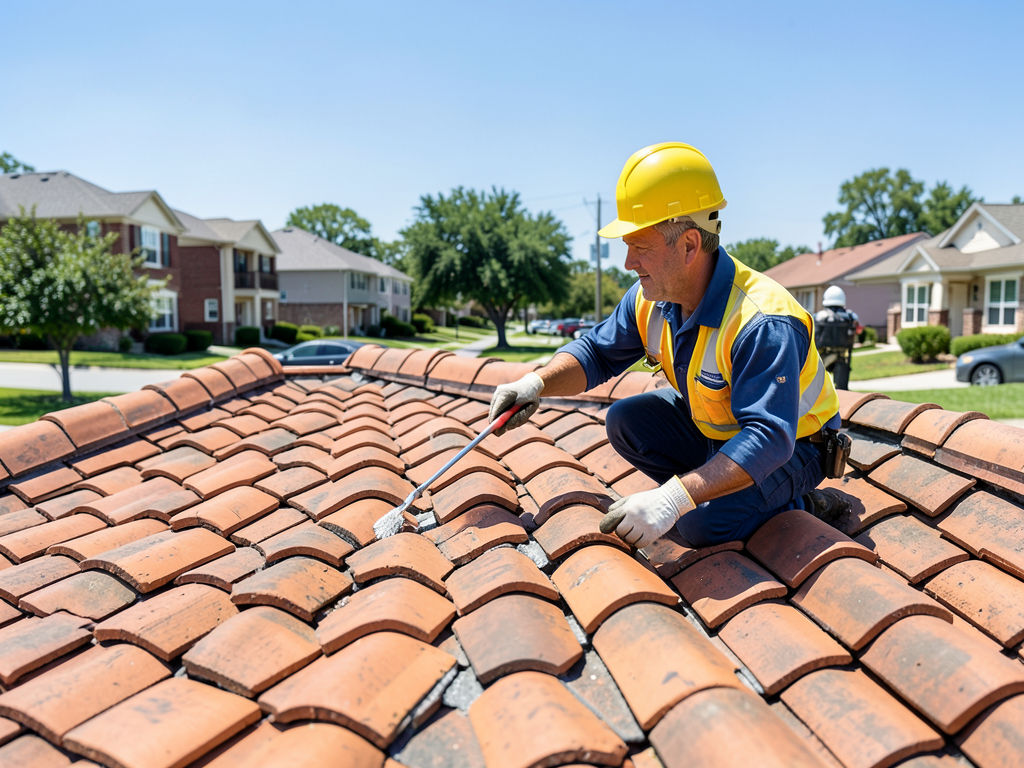
Essential steps to prepare your roof for a heavy South Texas rain event South Texas weather can change in minutes. One day the sun bakes your roof at 100 degrees. The next day a thunderstorm…
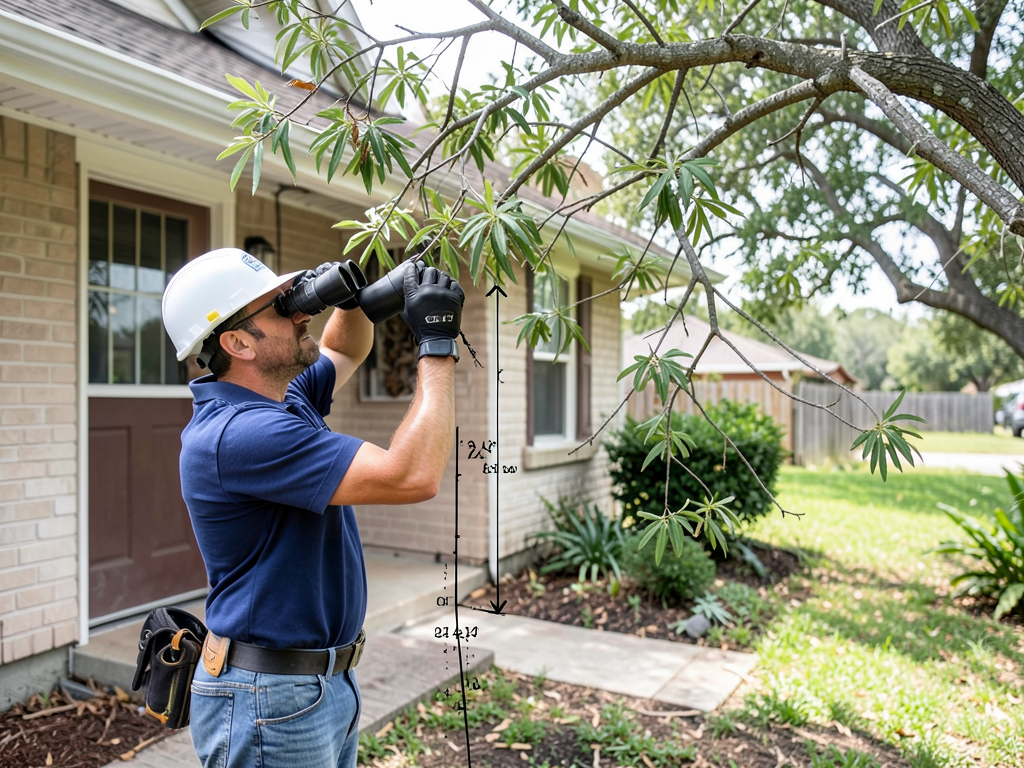
What to do when a neighbor's tree limbs are hanging over your roof in the…
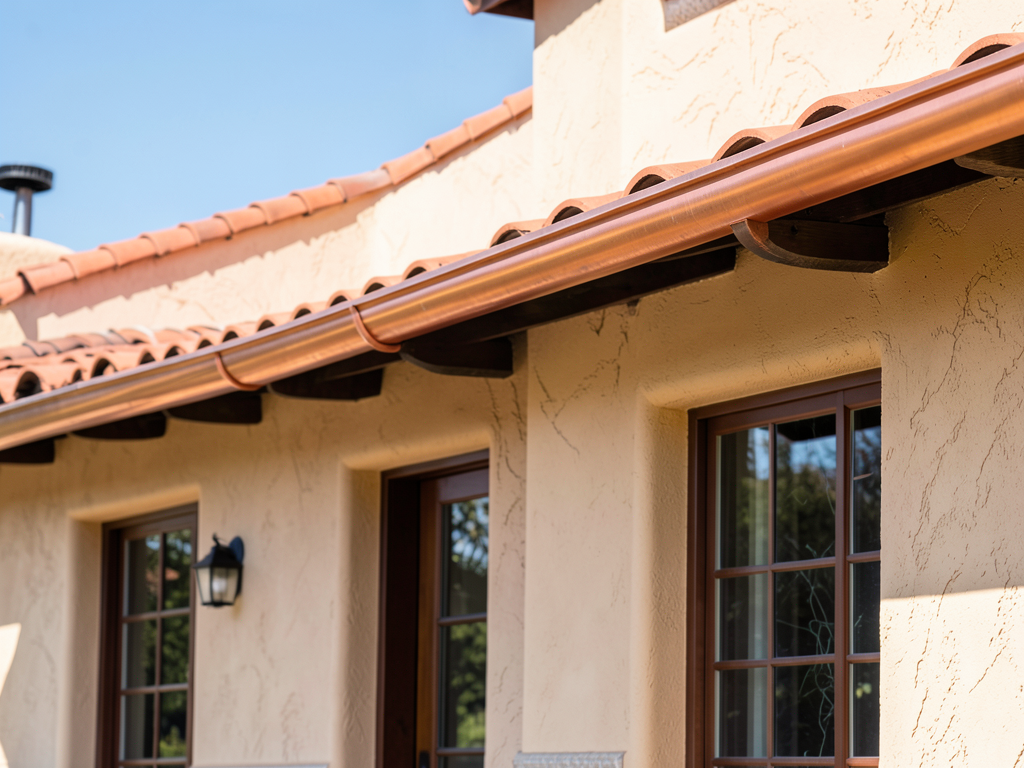
Adding instant curb appeal to your Terrell Hills home with copper gutters Your Terrell Hills…
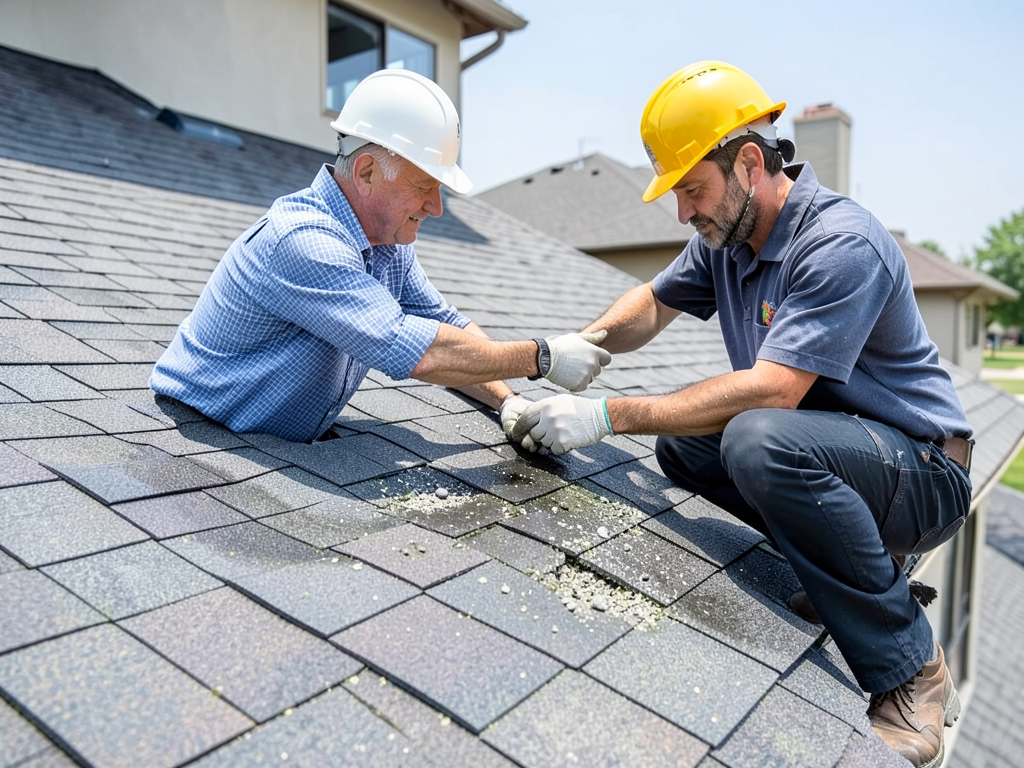
Why brand new homes in Redbird Ranch still need a yearly roof check Your brand…
Your roof protects everything you own. When it's leaking or damaged, every hour matters. Call Summit Roofing San Antonio now at (726) 256-6199 for fast inspection and expert repairs. We're available 24/7 for emergencies and can schedule planned replacements quickly. Don't wait until minor damage becomes a major disaster.